
The Harmony of Contrasts: The Work of Kees van de Wal
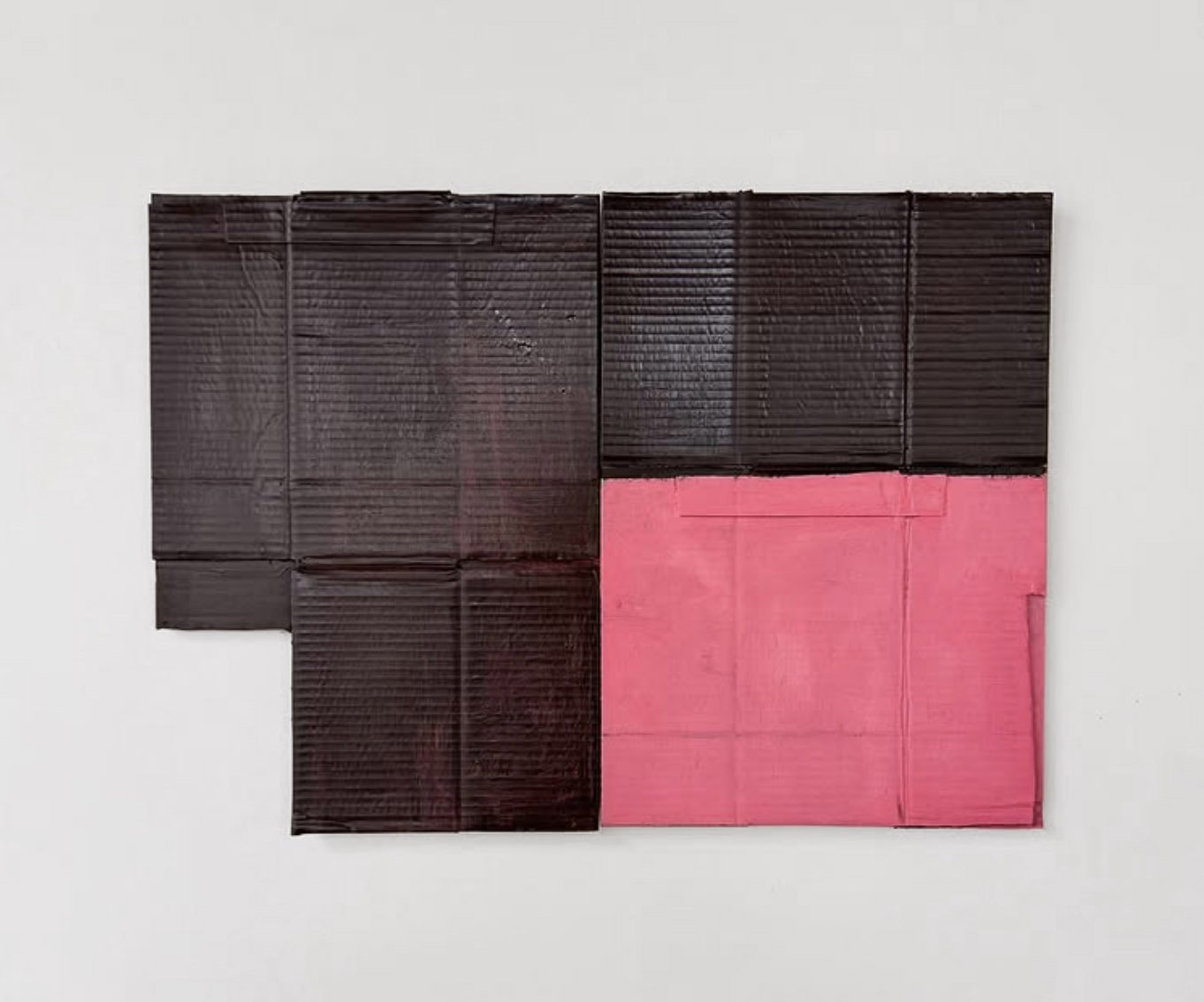
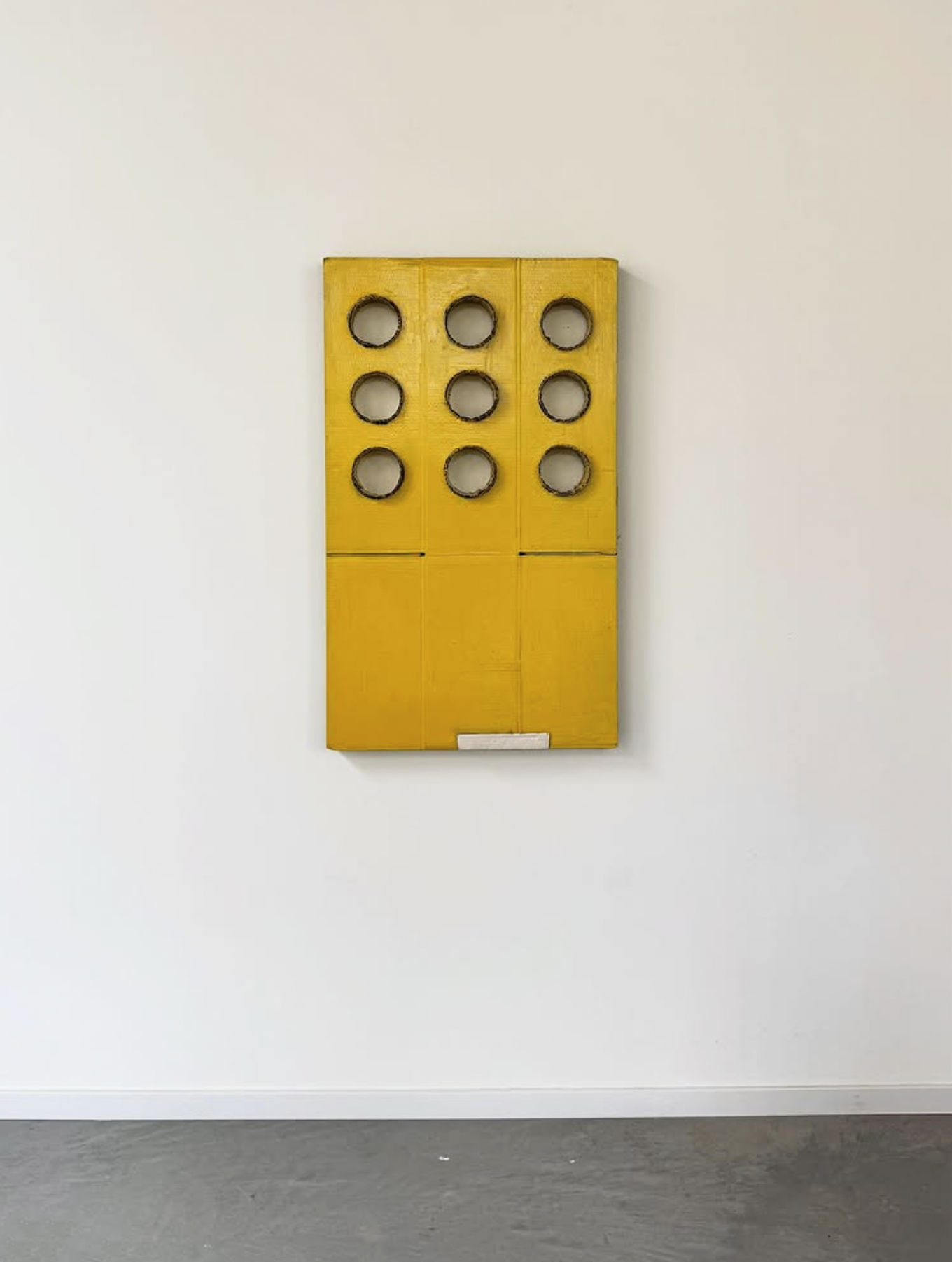
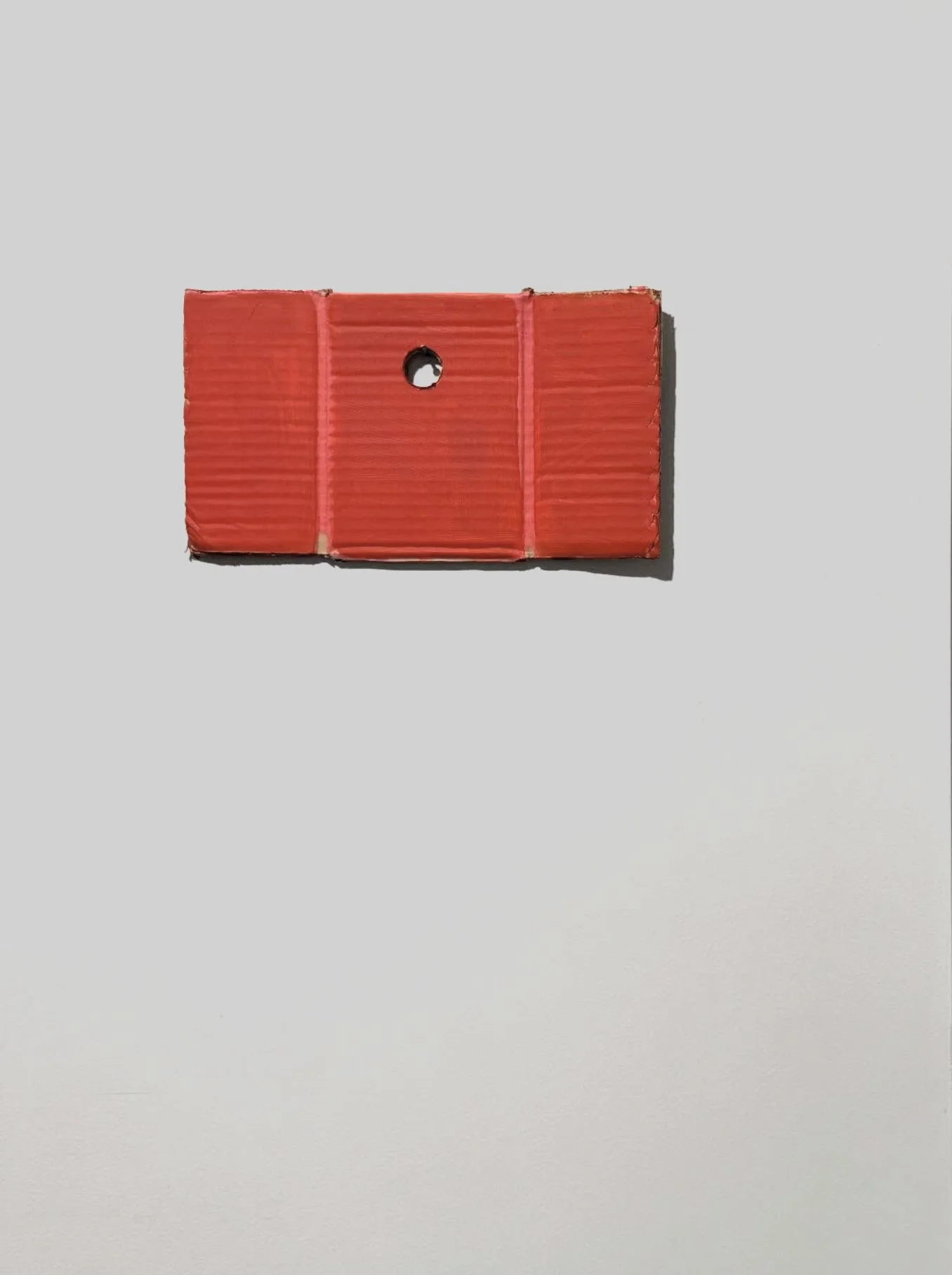
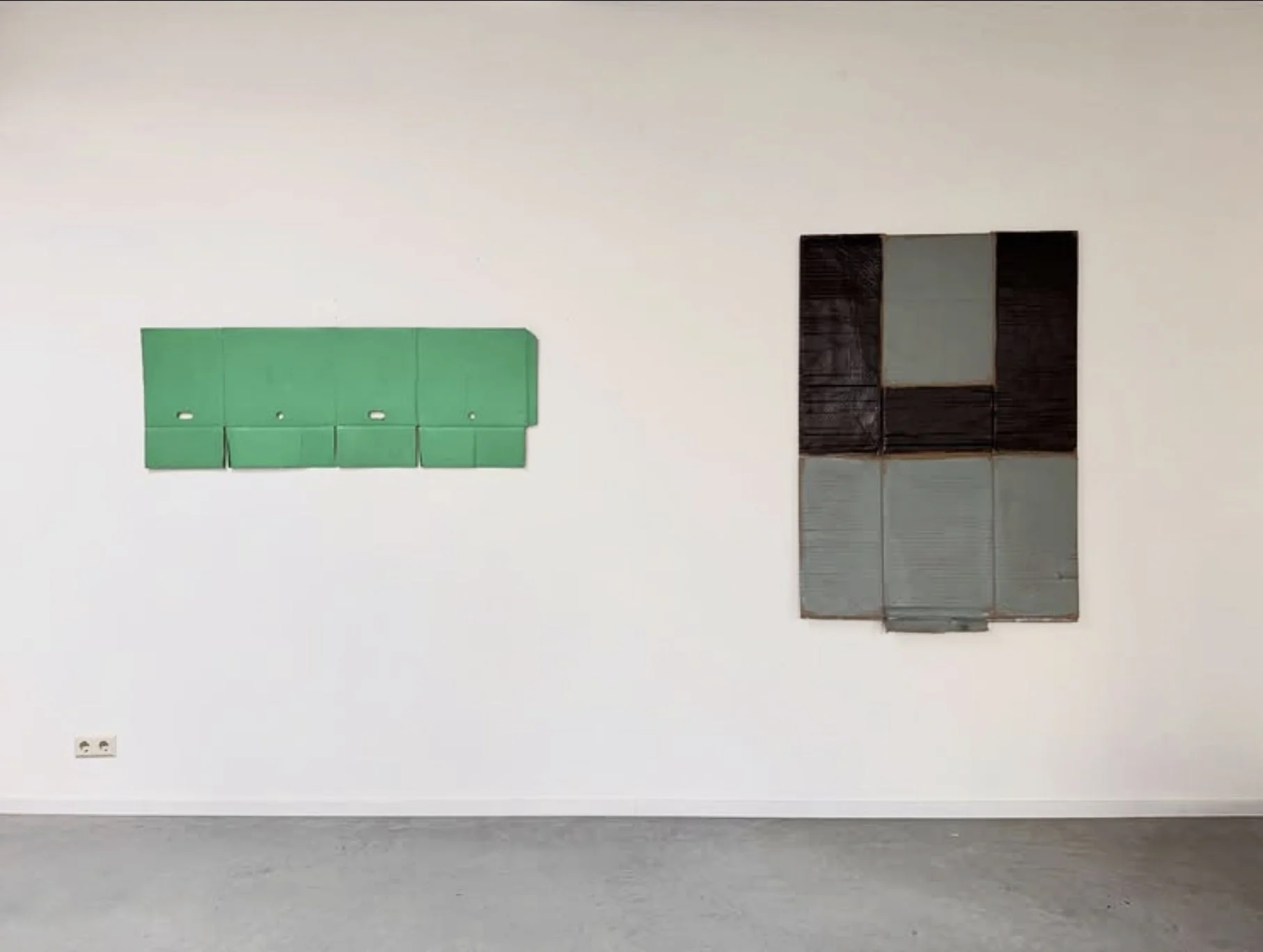
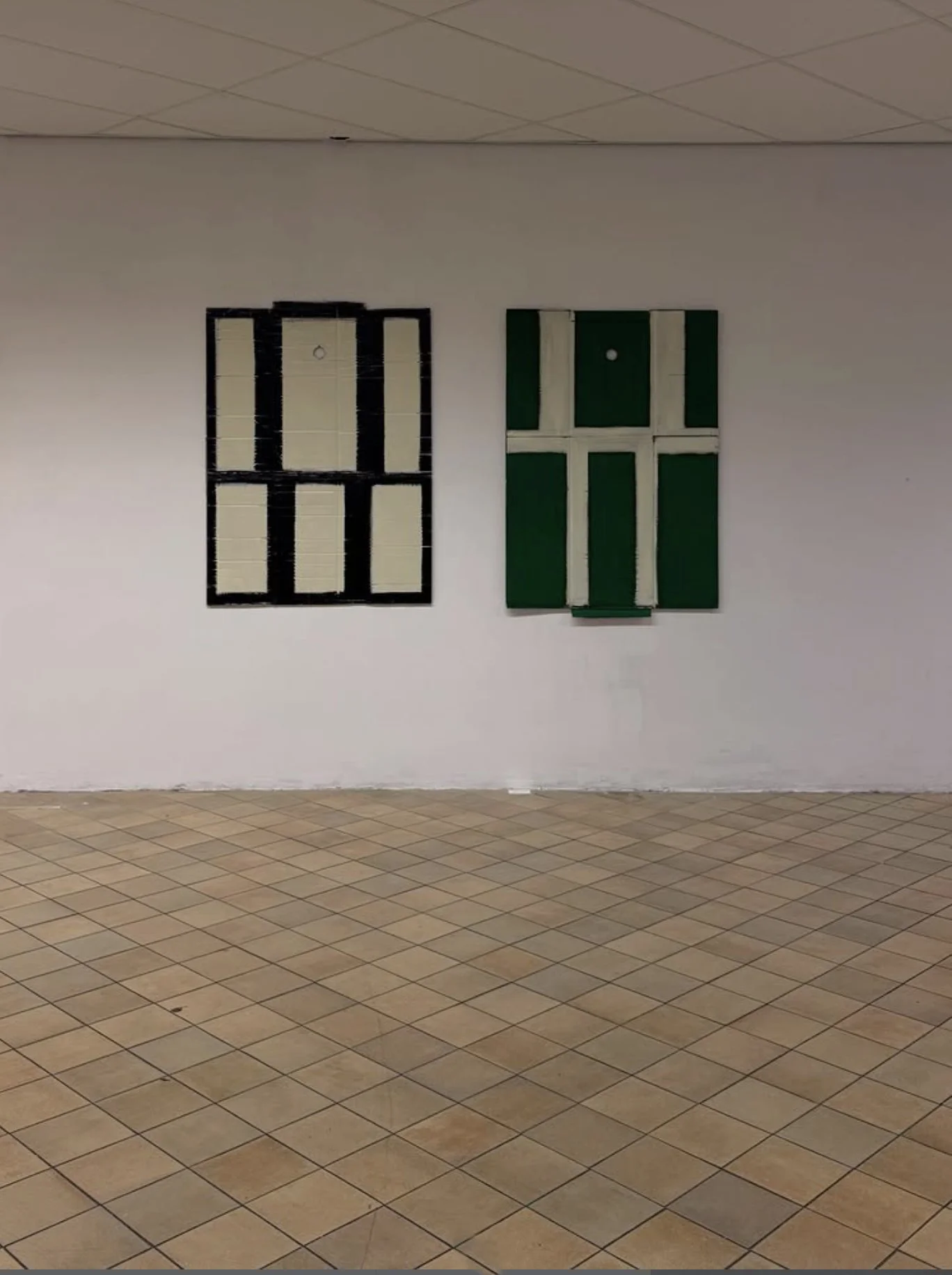
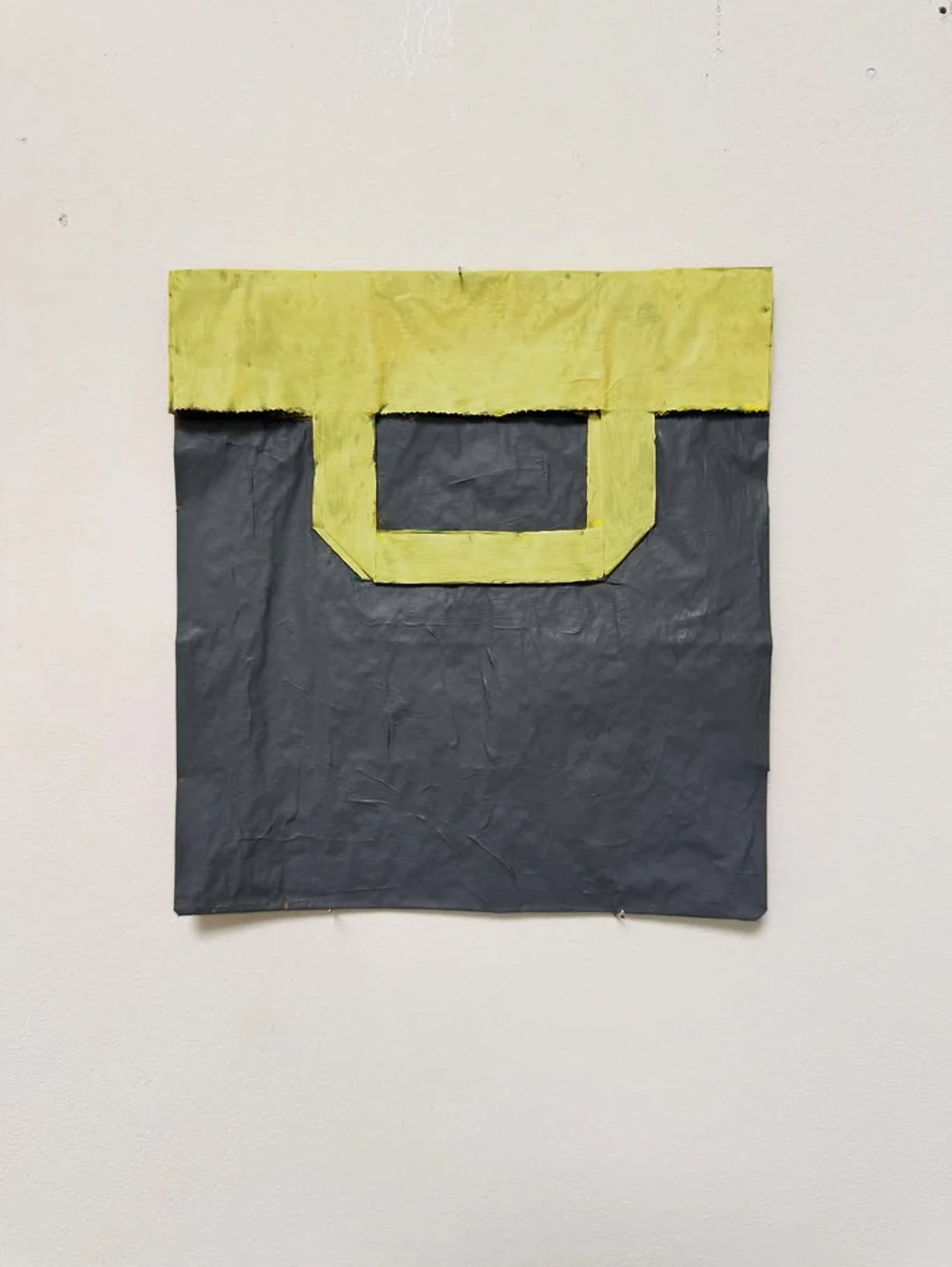
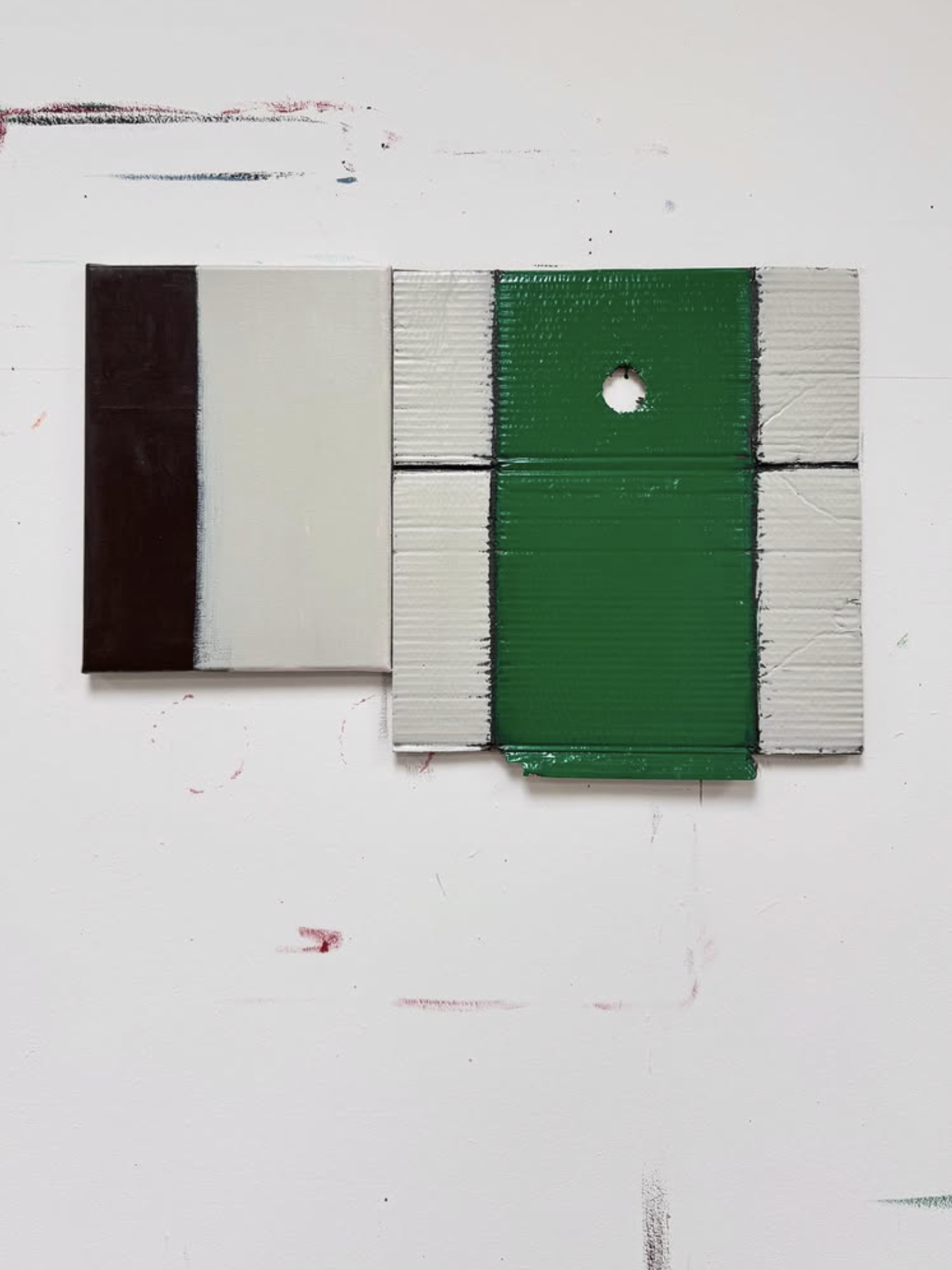
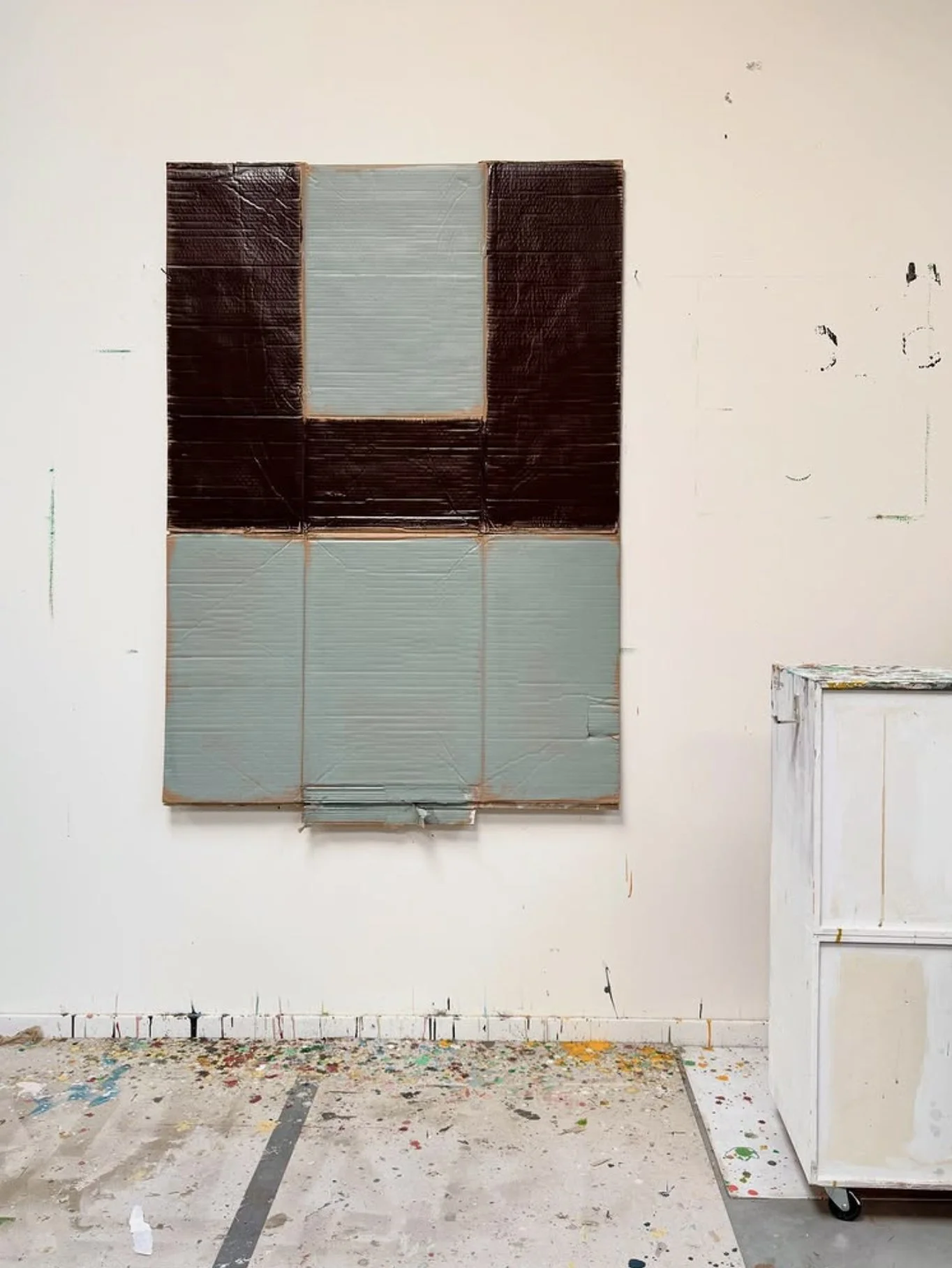
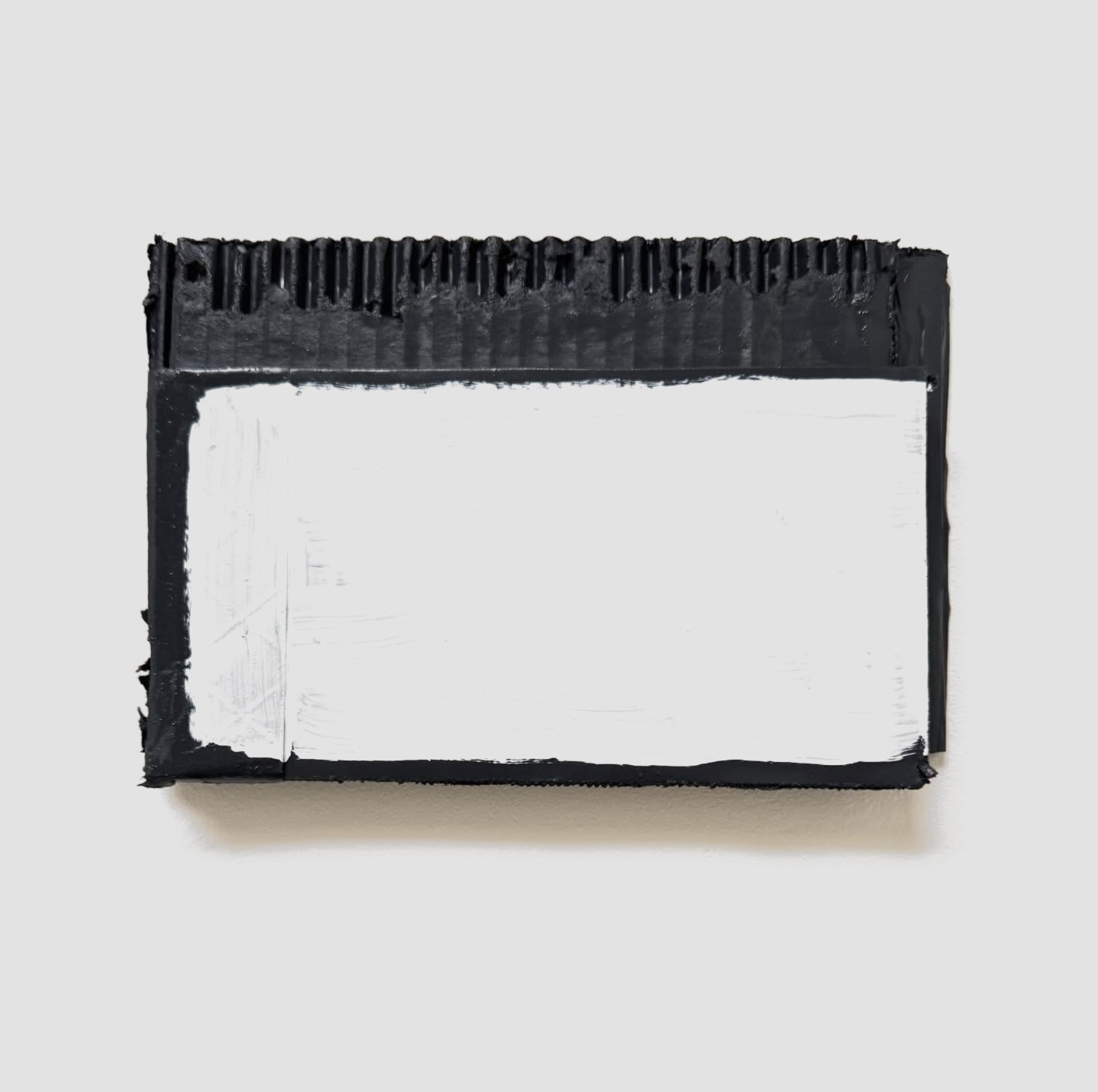
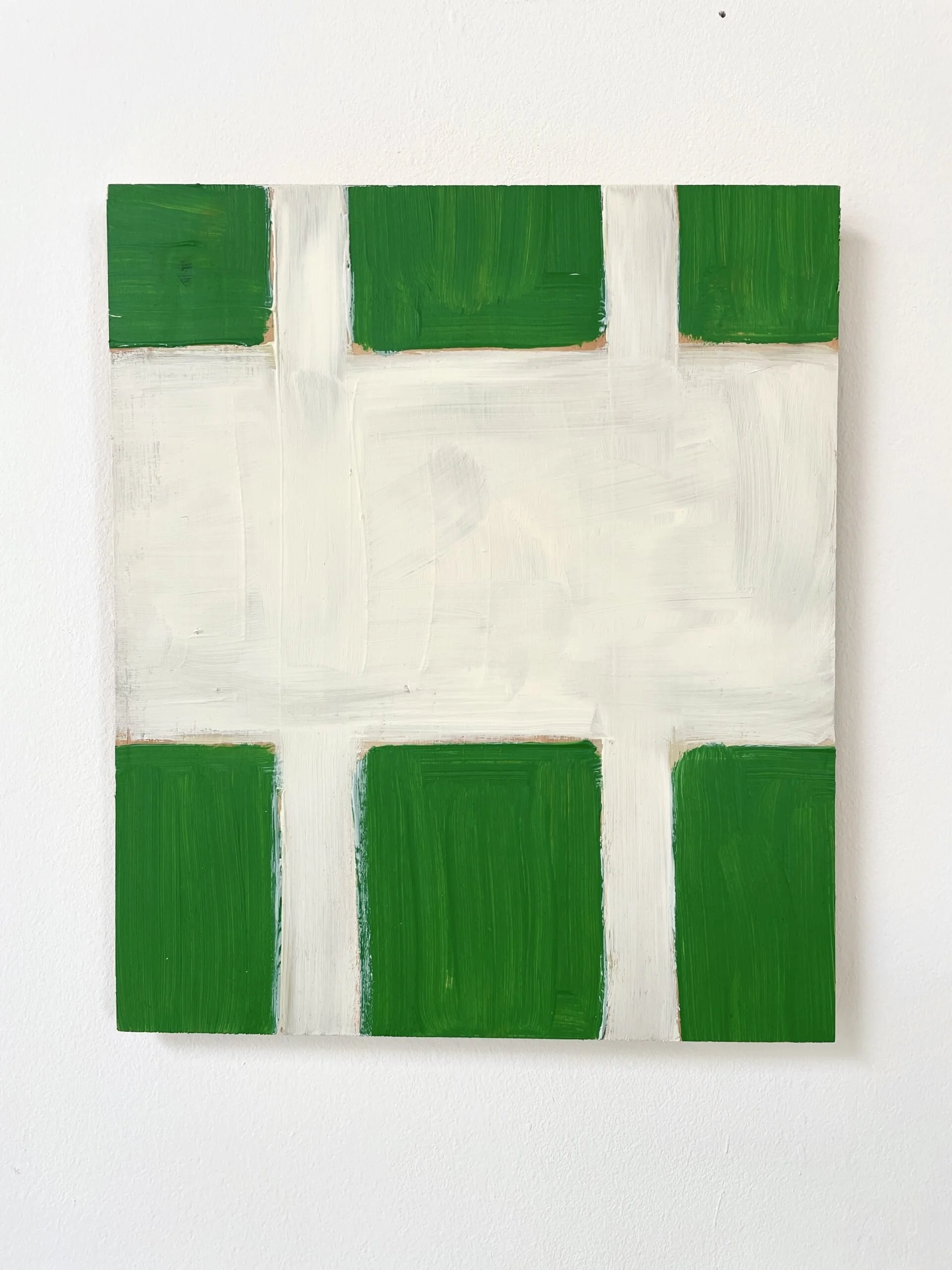
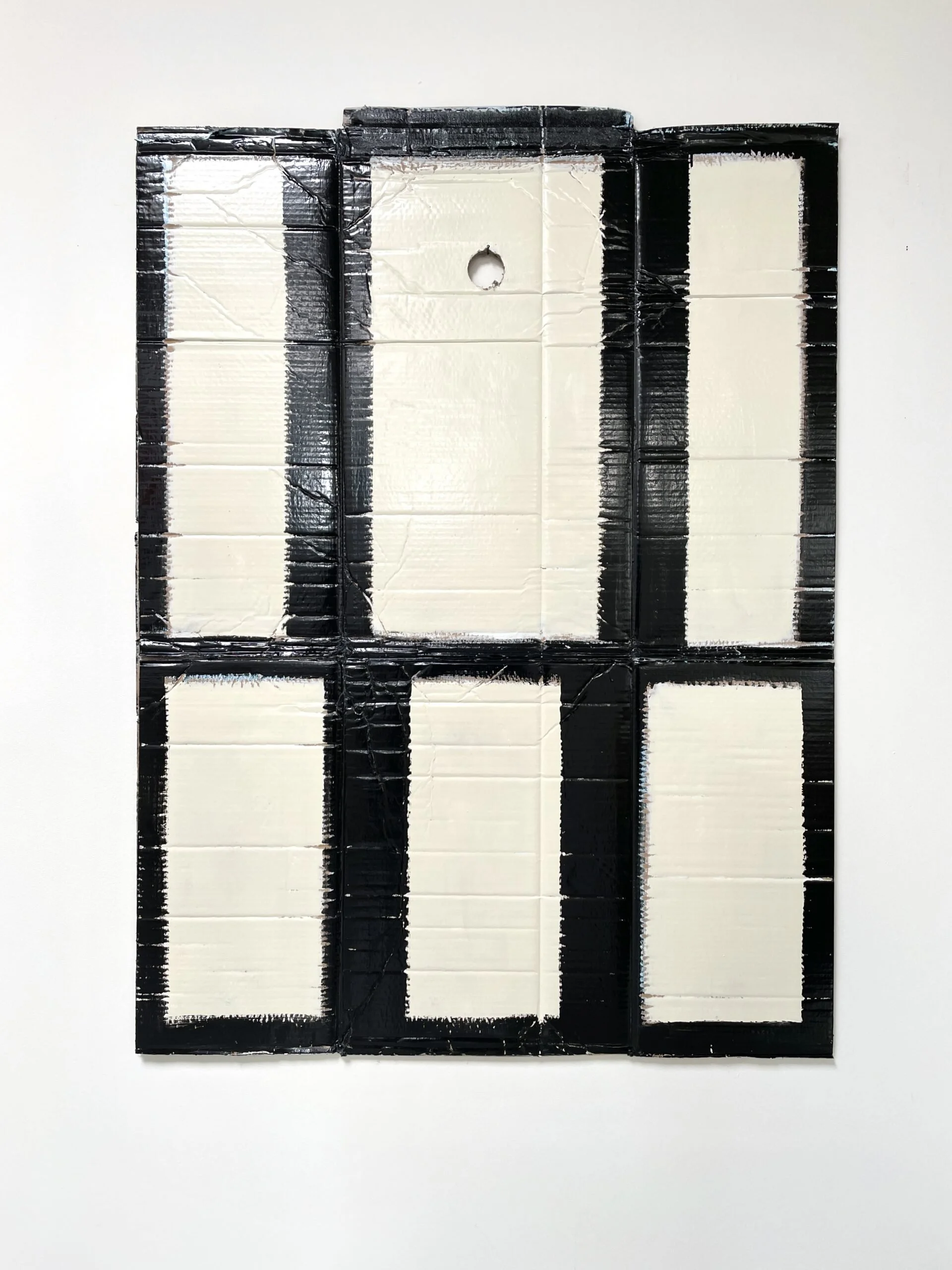
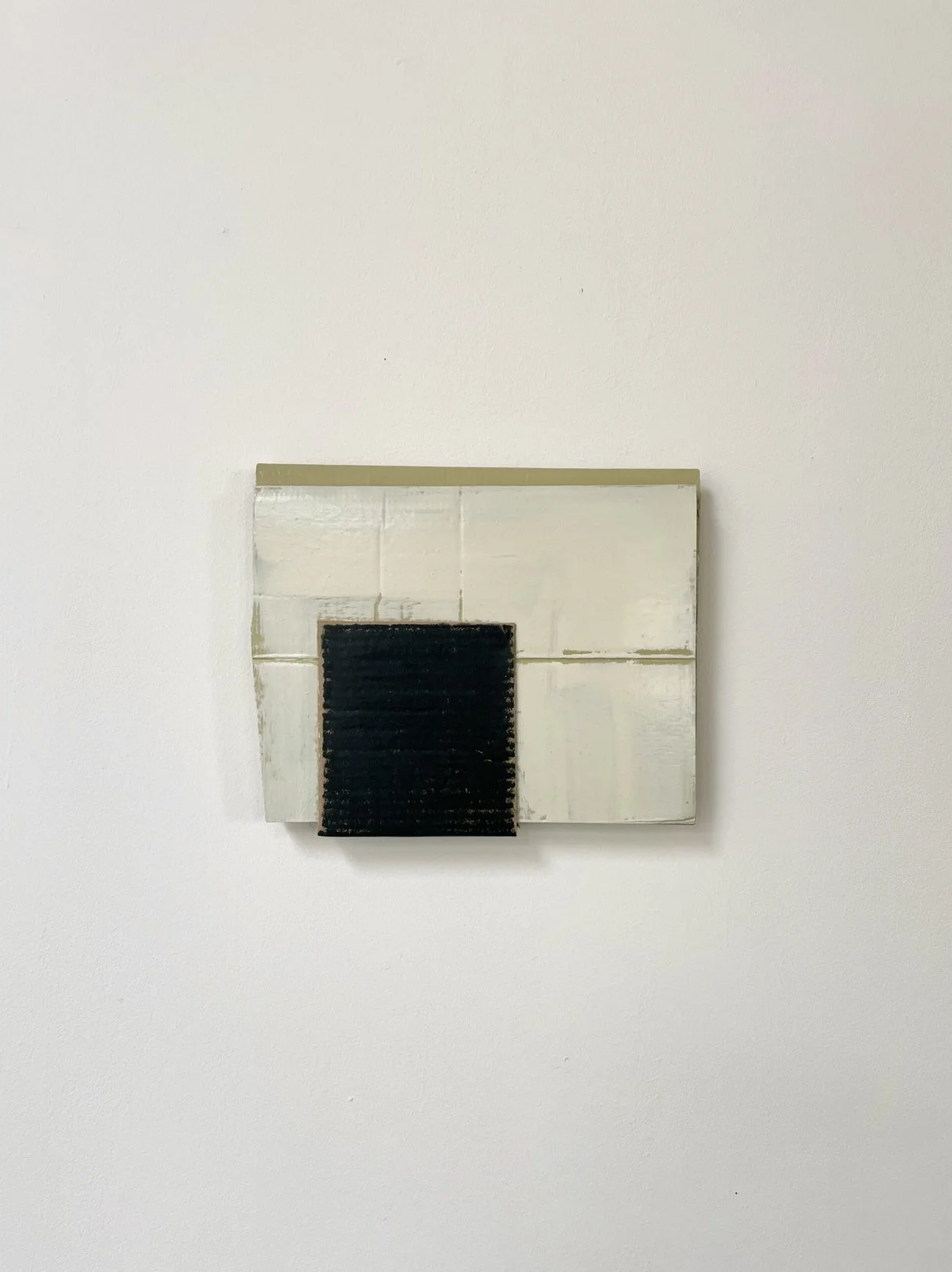
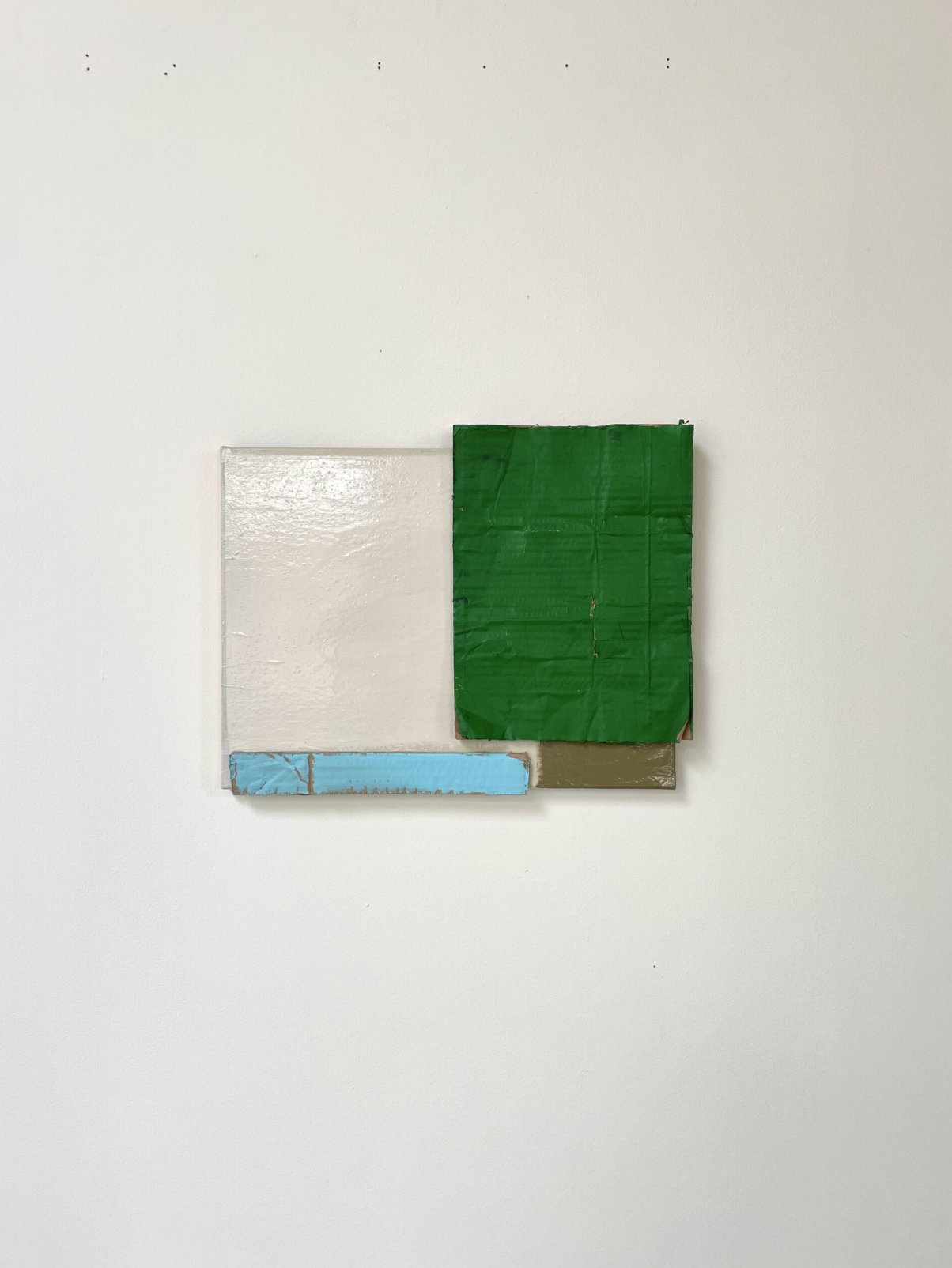
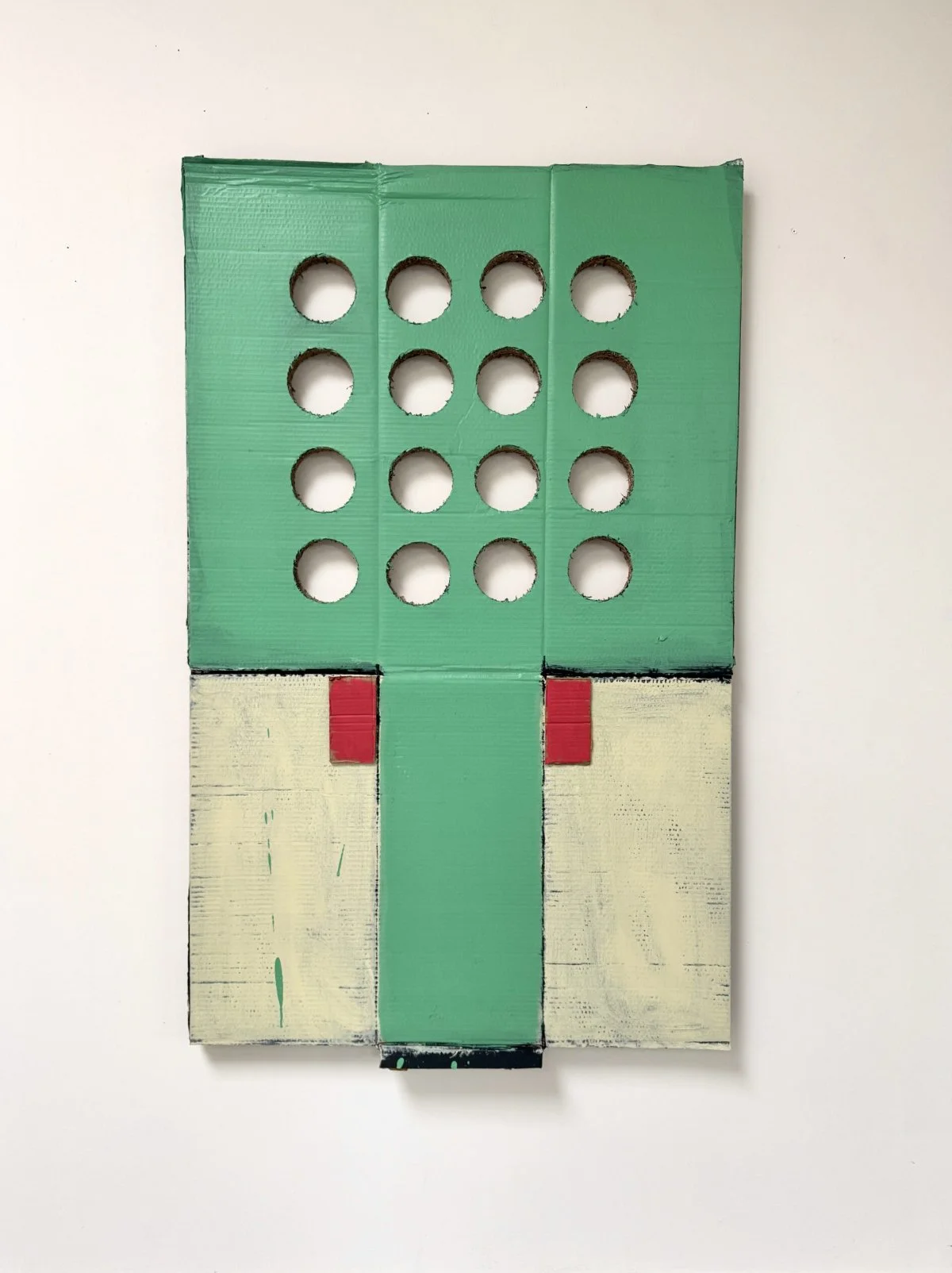
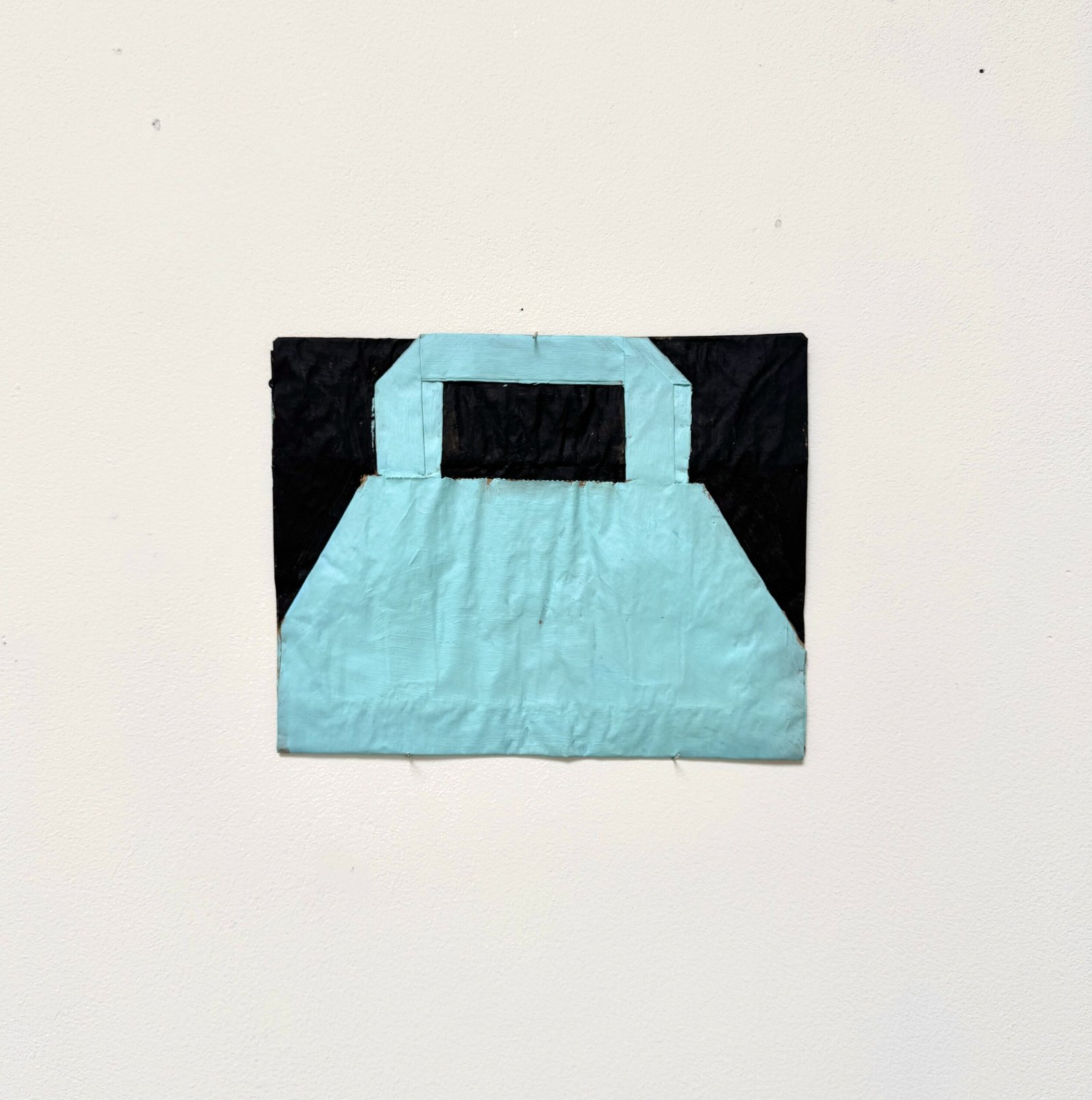
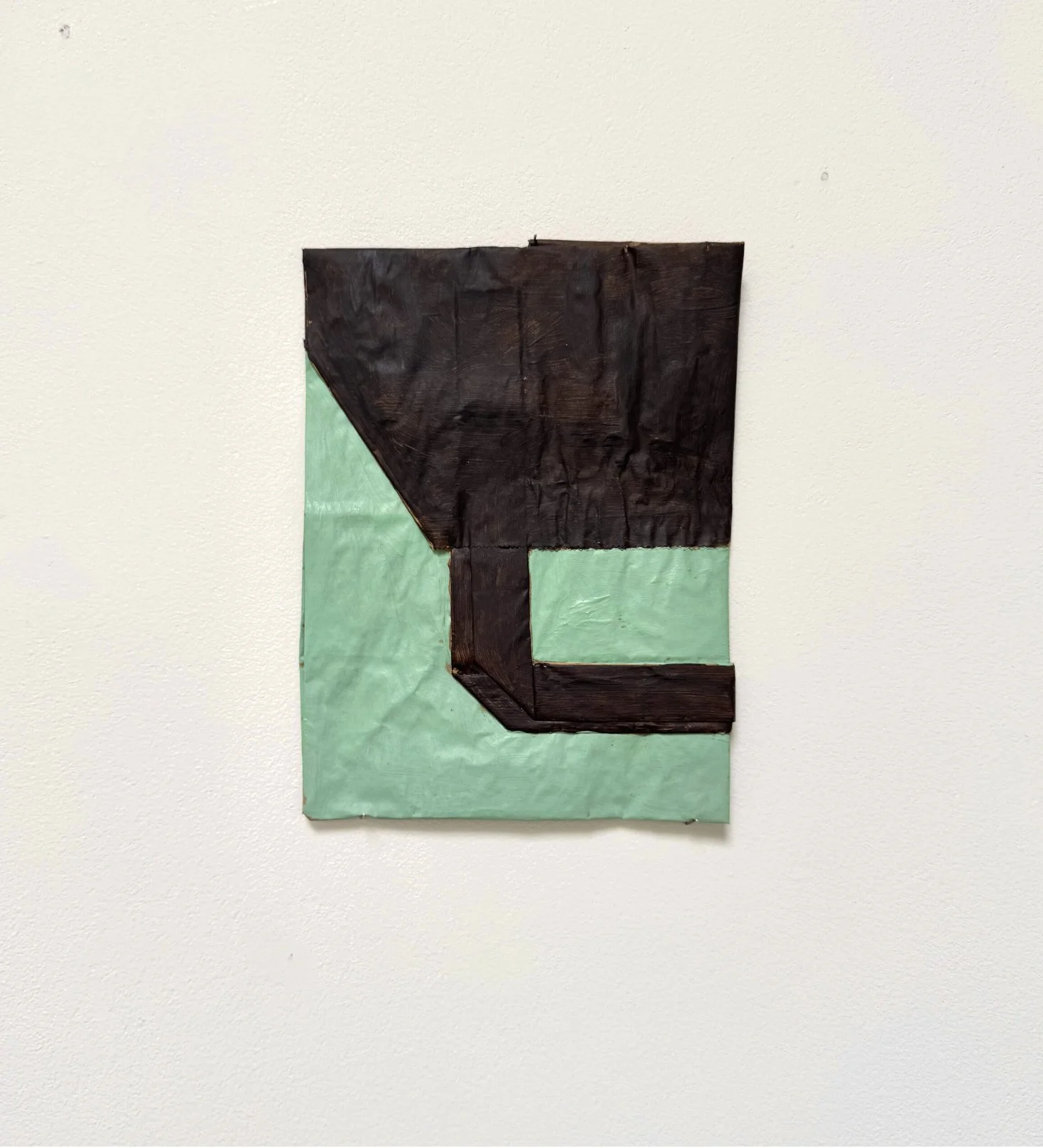

Kees van de Wal (born in 1967 in Oirschot) is a Dutch visual artist who lives and works in Zaltbommel. His work combines vivid colors and minimalist geometric forms, exploring with rigor and sensitivity the relationships between material, form, and color. Driven by a quest for poetic tranquility, his practice gradually moved away from landscape painting toward a more introspective and abstract approach, marking a deliberate break with his academic training.
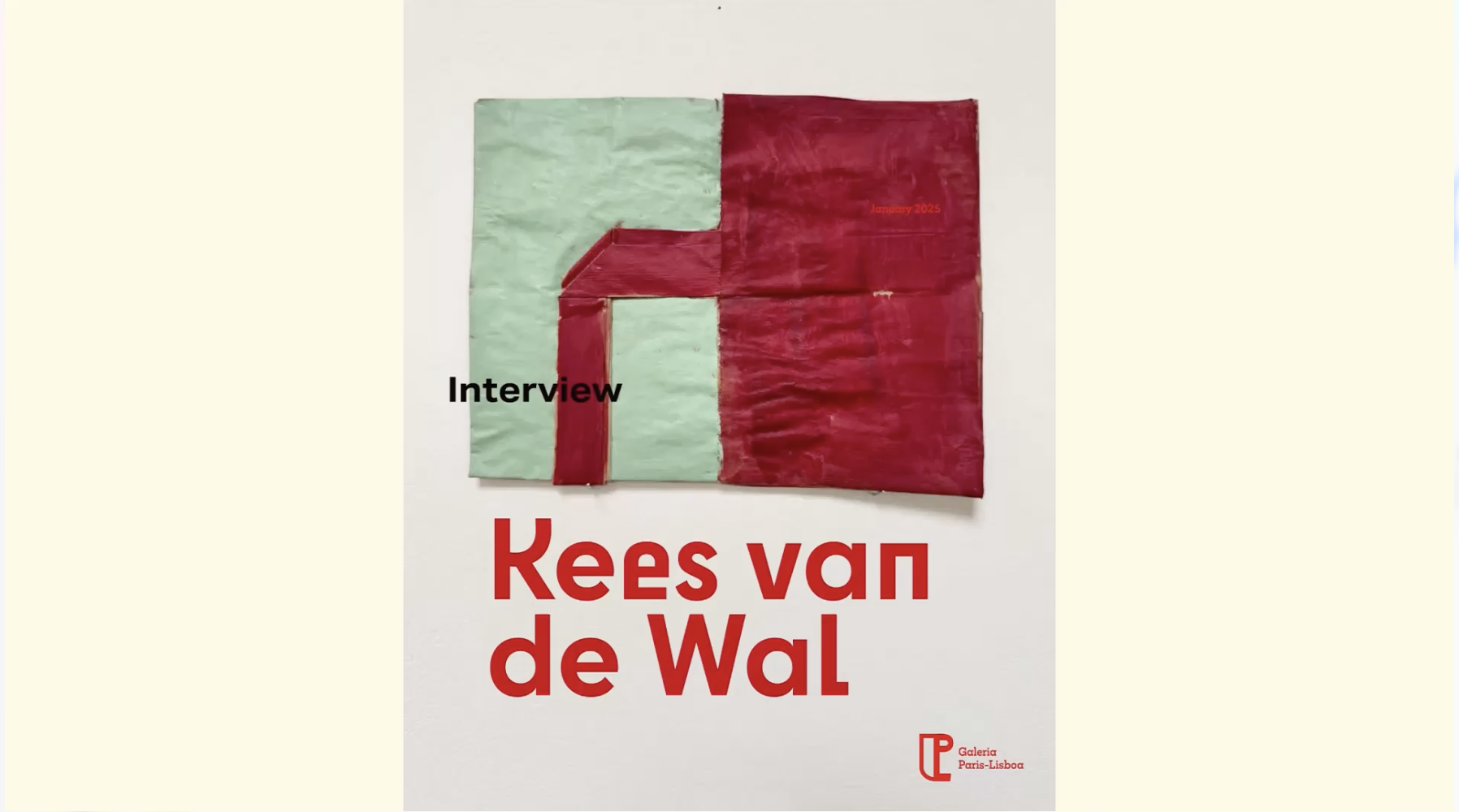
Trained at the Grafisch Lyceum in Eindhoven and through various courses in drawing, painting, and etching, Van de Wal further developed his practice between 2009 and 2016 at the Academy of Fine Arts in Arendonk (Belgium), where he earned a painting degree with honors, followed by a specialization diploma with high distinction.
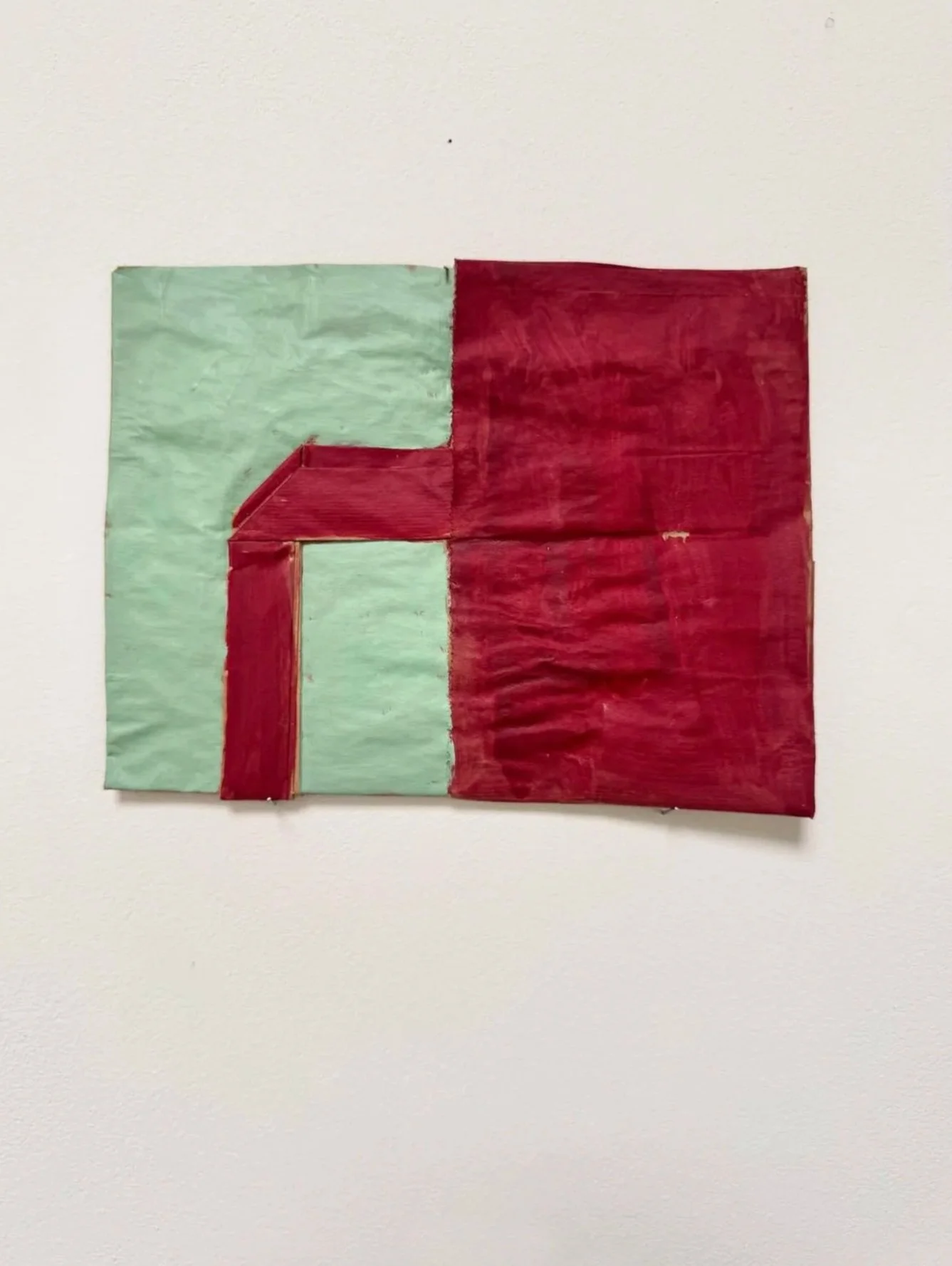
Since 2016, he has been developing wall objects, initially primarily in XPS (extruded polystyrene), and since 2022, from cardboard sourced from old packaging. This so-called "poor" material, marked by folds, break lines, and surface accidents, becomes for the artist a true creative partner, inviting him to explore new forms and to compose with the unexpected.
In his pursuit of balance between surface, color, and geometry, each work functions as a visual score: each element emits an emotional note. The term "synesthetic" aptly describes the experience offered, where seeing first becomes feeling — or even hearing. The goal is not to understand or justify the work, but to perceive whether it "sounds right." Surprises arise from textures, patterns, and material accidents, which the artist sometimes chooses to follow and at other times to guide and elevate.
Color layers and merges with the material, revealing compositions that are both powerful and measured, where spontaneity and rigor coexist with subtlety. Kees van de Wal’s approach is rooted in the legacy of minimalism, the material honesty of Arte Povera, and the silence of concrete art.
His work does not refer to a world outside the object; it constitutes a world in itself — the artist’s own.
Kees van de Wal regularly exhibits his work in the Netherlands and abroad. Deeply engaged in the local art scene, he has participated for many years in open studio events in his hometown and is the initiator of Kunstrondje Zaltbommel, an art walk connecting studios and galleries in his city.

Can we speak of pictorial technique in your work, or do instinct and spontaneous gesture dominate your creative process?
Kees:
In my work, stillness, minimalism, and non-figuration are paramount. Within these frameworks, I am currently inspired by the material, in this case cardboard from old boxes. The cardboard is often the starting point. I give room to intuition and spontaneity, but composition, form, and color are just as important. I take a step, observe the result, and then respond to it. A work is only finished when “it feels right”; this has to do with the right tension, atmosphere, balance, or imbalance.
The directness, the traces of the making, the material, my “handwriting” must not be lost. I place great importance on the informal character of my work.
How do you approach the idea of “banality,” or the perception of a certain “ease” that newcomers to contemporary art might project onto your works?
I put that aside, even though, of course, it sometimes irritates me. Despite that, I continue what I am doing. I do not work in a minimalist and abstract way because I want to or have decided to, but because this comes from within. This is who I am and what I need to do to reach the essence, away from ornamentation and superfluous detail.
Over the years, my work has become more abstract and minimalist, and therefore less accessible to the untrained eye.
The use of cardboard—which people throw away every day—further reinforces this perception. When you see my work, you see cardboard and paint, but if you look closely, you see more: form, color, composition, material, volume, space. An object with character.
If you look carefully, you see a lot.
As an artist, is it difficult to justify to your audience or circle an approach that may seem simple at first glance but is in fact authentic, radical, and unprecedented?
Yes, it is indeed quite difficult. I have an urge to create, and for me, this is a process that spans many years. A process in which I experiment and search for my own visual language, my way of working, my signature style, in order to reach the essence.
Over the years, my work has gradually transformed, moving from tranquil abstract landscapes to the visual language it is today. I feel that I am getting a little closer each time to the essence, to the optimal work—if such a thing exists. I do not know exactly what that is.
Of course, I would like “everyone” to understand and appreciate my work, but that is not the case. I do not adapt my work or process to that. I continue my search, my process. This is what I do and what I believe in.

Do you consider your creations to belong to a form of “brutalist” art, where the support and gesture are intentionally stripped down?
I do not use the term “brutalist art,” but I recognize myself in several of its characteristics. The directness and unpolished nature of brutalism appeal to me. The material and traces of the making process remain visible. Beyond that, I prefer to leave it to others to interpret my work in this way.
Are instinct and the moment the main drivers of your inspiration?
This question overlaps with question 1. Within the frameworks I have, I give space to instinct and the present moment. I have learned to carry out ideas that come to mind without thinking that they are “strange” or too simple. This may still appear later in the process.
A teacher at the academy once said: “It’s okay to think about your work, but not when you have a brush in your hand.”
Finally, your approach—which could be described as iconoclastic, particularly in your use of cardboard—has it been difficult to assume in front of others, or did it come naturally?
Working with cardboard arose from practical reasons. I quickly discovered the possibilities that this material offers me, as well as the inspiration it provides. The informal character of cardboard also appeals to me and helps me create wall objects that are both modest and monumental. It also challenges me to look for solutions.
As I wrote earlier, I believe in my search and follow my own process. At the moment, this is what I make. My goal is not to create art that everyone likes—quite the contrary. It is perfectly acceptable if it challenges people; my work can be slightly rebellious.
Kees van de Wal
Visual artist based in Zaltbommel, Netherlands
Education
Grafisch Lyceum, Eindhoven, Aesthetic Design (1983–1987)
Academy of Fine Arts, Arendonk, Painting, honors (2009–2014)
Specialization in Painting, Arendonk, high distinction (2014–2016)
Selected Exhibitions
Kunst & Co, Den Helder, Netherlands (2025)
“1 year of focus on paper”, Marieke Severens Gallery, Maastricht (2025–2026)
Amelie du Chalard Gallery, New York, group (2025)
Art The Hague, solo presentation (2025)
Gallery Van Caelenberg, Aalst, Belgium, solo (2022)
Artistic Practice
Combines vivid colors with minimalist geometric forms
Creates wall objects from XPS and recycled cardboard
Focuses on material, form, and color; synesthetic experience
Works act as visual scores, each element emitting an emotional note
Projects
Initiator of Kunstrondje Zaltbommel, open studio route connecting local studios and galleries
Instagram: Kees van de Wal
Website: www.keesvandewal.nl